Exploring Unique Patterns to Elevate Interior Design

Interior design is an ever-evolving field that blends creativity with functionality. One of the most intriguing aspects of interior design is the use of patterns. Unique patterns can add depth and interest to any space, transforming an ordinary room into a stunning environment. By exploring different types of interior patterns, homeowners can elevate their designs while reflecting their personal style.
The Importance of Interior Patterns
Patterns play a crucial role in interior design. They can influence mood, create visual interest, and help define a space. When used effectively, patterns can guide the eye and create a cohesive look throughout a room. Here are a few key points about the significance of patterns:
Visual Interest: A well-placed pattern can break the monotony of solid colors and simple designs. It draws attention and can serve as a focal point in a room. For instance, vibrant geometric textiles can enliven a neutral sofa, making the area more inviting.
Defining Space: Patterns can help demarcate areas within an open floor plan. By using different patterns for rugs or wallpapers in adjacent spaces, homeowners can create distinct zones while maintaining a sense of flow.
Mood Enhancement: Different patterns evoke varying emotions. For instance, floral patterns often bring feelings of freshness and warmth, while industrial patterns may impart a more modern or edgy vibe. Choosing the right patterns can significantly affect the overall ambiance of a room.
Types of Interior Patterns
Patterns can be categorized in multiple ways based on their feature styles. Let’s explore some popular types that can enhance your interiors:
Geometric Patterns
Geometric patterns are characterized by shapes such as circles, triangles, and rectangles. They are often bold and eye-catching, making them ideal for accent walls or statement furniture pieces.
Practical Tip: Combine geometric patterns with softer textures to create balance. For example, a striped geometric rug can pair beautifully with a cozy, solid-colored sofa, creating a harmonious contrast.

Floral Patterns
Floral patterns can range from large, bold blooms to delicate, intricate designs. They bring a touch of nature indoors and can add a romantic or vintage feel to a space.
Practical Tip: When working with floral patterns, consider the scale. Large floral designs work best in spacious areas, while smaller designs can enhance intimacy in compact spaces.

Stripes
Stripes are an evergreen pattern that can create a sense of movement and rhythm in a space. Vertical stripes can make a room feel taller, while horizontal stripes can create the illusion of wider walls.
Practical Tip: Use stripes strategically to enhance architectural features. For instance, painting vertical stripes on a narrow hallway can make it feel more expansive.
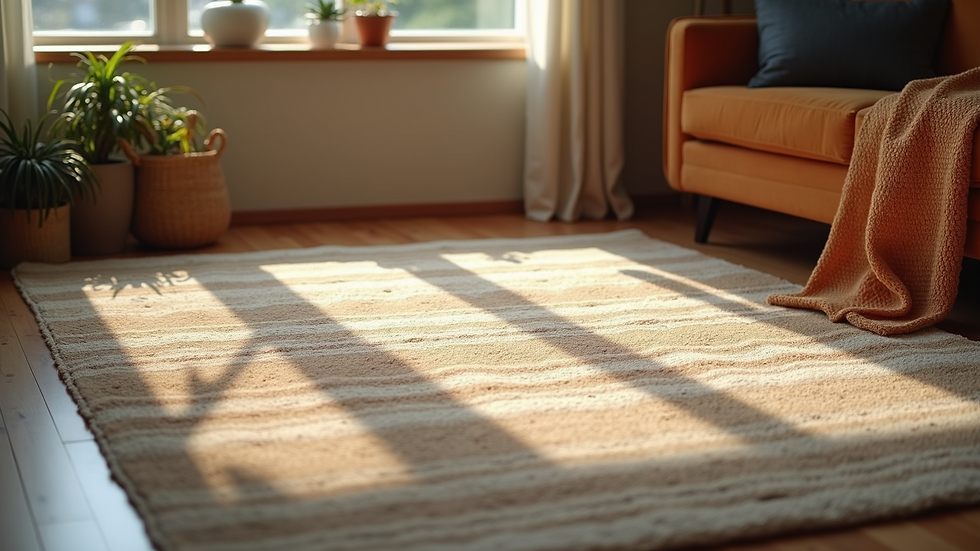
Textured Patterns
Textures add a tactile experience to designs. Textured patterns are often used in wallpapers, fabrics, and other surfaces to create depth without overwhelming a space.
Practical Tip: Mix and match different textured patterns, like a plush velvet cushion with a woven throw, to create a layered look that invites comfort.

What is the difference between a glass block and a glass brick?
When discussing unique patterns in interior design, it's essential to touch upon glass blocks and glass bricks. While the terms are sometimes used interchangeably, there are distinct differences between the two.
Glass blocks are primarily used for creating walls, allowing light to filter into a space while maintaining privacy. They come in various patterns, colors, and finishes, making them versatile for both traditional and modern designs.
Glass bricks, on the other hand, are often used in more structural applications. They are thicker and are commonly seen in commercial buildings and decorative walls. While they may provide some element of pattern, their primary purpose is more about strength and durability rather than aesthetic design.
Incorporating elements like glass block patterns into your interiors can create unique visual cues and enhance your space's character.
Unique Patterns for Specific Areas
Specific areas of the home can benefit from unique patterns in different ways. Here are some practical recommendations for incorporating patterns into various rooms.
Living Room
The living room is often the centerpiece of a home. To keep it lively, incorporate patterns through area rugs, throw pillows, and curtains. A patterned area rug can set the tone, while complementing solid-color furniture allows the pattern to shine without overwhelming the space.
Visual Tip: Use a combination of large and small patterns to keep the eye engaged. A bold, large-patterned rug can be offset with smaller patterned cushions.
Kitchen
Patterns in the kitchen can be both functional and aesthetic. Consider using patterned backsplash tiles to add character to the space. Subway tiles in a herringbone pattern, for example, can offer a modern twist on a classic look.
Visual Tip: Match countertop patterns with those on your cabinets for a seamless flow. If you're using a busy pattern for the backsplash, keep the cabinetry simple to avoid clashing.
Bedroom
The bedroom is a personal sanctuary, making the careful selection of patterns critical. Soft patterns, like subtle florals or stripes, can create a calming effect. Bed linens and upholstery are excellent places to introduce patterns without overwhelming the room.
Visual Tip: Layer patterns by combining duvet covers with patterned throws and matching cushions. Just ensure the colors are harmonious to maintain a cohesive look.
Bathroom
Bathrooms can feel sterile if not decorated thoughtfully. Incorporating patterns through floor tiles or shower curtains can inject life into the space. Mosaic patterns are particularly effective in small bathrooms, adding intricate detail that draws the eye.
Visual Tip: Use bold patterns in small doses to avoid making the bathroom feel cramped. For example, a patterned shower curtain can be paired with solid-color towels.
Final Thoughts
Patterns are a powerful element in interior design that can significantly enhance the ambiance of a space. From bold geometric shapes to delicate florals, unique patterns can express personal style while adding layers of interest. Understanding how to integrate these patterns into different areas of the home allows you to create a cohesive and inviting environment.
Remember, the key to using patterns effectively lies in balance and harmony. Using textured, patterned elements alongside solid colors will create a sophisticated aesthetic. With thoughtful planning, any space can be transformed to reflect individuality and comfort.
Explore the world of patterns and make your home a representation of your unique style!


Comments